
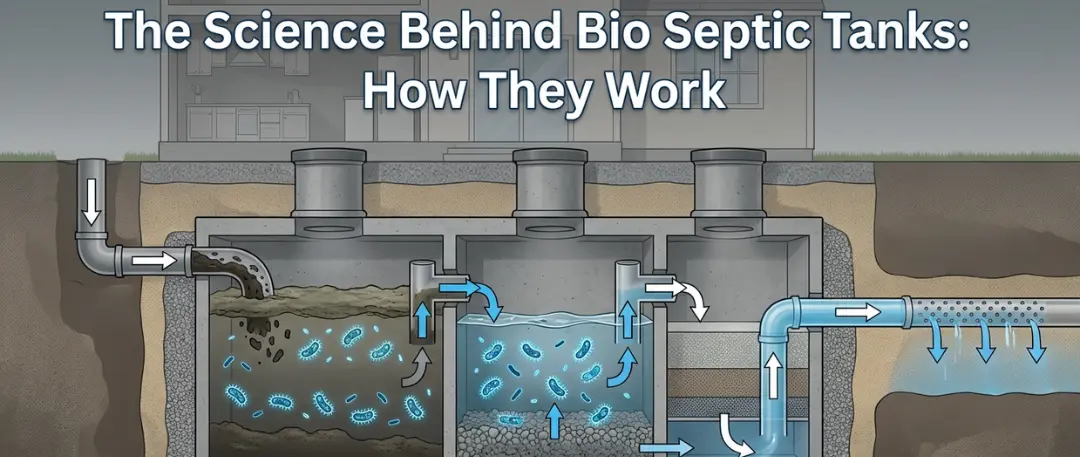
The Science Behind Bio Septic Tanks: How They Work
Wastewater management has become an essential component of modern sanitation and environmental conservation. With increasing urbanization and the growing need for sustainable solutions, bio septic tanks have emerged as an effective and eco-friendly method for treating domestic and industrial wastewater. These systems are not just containers for waste; they are scientifically designed treatment units that use biological processes to break down and neutralize contaminants.
In this article, we will explore the science behind bio septic tanks, how they operate, their advantages, and why they are becoming a preferred choice for sustainable waste management.
1. What Is a Bio Septic Tank?
A bio septic tank is a wastewater treatment system that combines the traditional septic tank with biological agents such as bacteria and enzymes. Unlike conventional septic tanks, which rely primarily on sedimentation and anaerobic decomposition, bio septic tanks accelerate the breakdown of organic matter using natural biological processes.
The system is designed to reduce harmful pathogens, minimize sludge accumulation, and produce effluent that is safer for discharge into the environment or for reuse in irrigation and landscaping.
2. Components of a Bio Septic Tank
A typical bio septic tank consists of several key components:
- Inlet Chamber: The point where wastewater enters the system. It ensures smooth flow and prevents clogging.
- Primary Treatment Chamber: The first stage where solids settle at the bottom and oils or grease float to the top.
- Bio-Reactor Chamber: Contains bio-enzymes or bacterial cultures that digest organic matter efficiently.
- Outlet Chamber: Allows treated effluent to exit the system, typically passing through a filtration unit for additional purification.
- Ventilation System: Maintains aerobic conditions and prevents the build-up of harmful gases like methane and hydrogen sulfide.
The combination of these components ensures a multi-stage treatment process, making the bio septic tank highly efficient.
3. The Science of Waste Decomposition
Bio septic tanks rely heavily on microbial activity. Bacteria and enzymes are natural decomposers that feed on organic waste, converting it into harmless by-products. The process occurs in two main stages:
a. Anaerobic Digestion
In the initial stages, anaerobic bacteria break down solids in the absence of oxygen. This process produces gases like methane and carbon dioxide, which are safely vented. Anaerobic digestion reduces the volume of sludge and partially treats the wastewater.
b. Aerobic Treatment
After the anaerobic stage, aerobic bacteria take over. These bacteria thrive in oxygen-rich environments and further digest organic matter, breaking it down into carbon dioxide, water, and biomass. Aerobic treatment is highly effective in reducing odors, harmful pathogens, and chemical pollutants.
The synergy between aerobic and anaerobic processes ensures maximum treatment efficiency, making bio septic tanks superior to conventional systems.
4. How Bio Septic Tanks Work: Step by Step
- Wastewater Enters the Tank
Household or industrial wastewater flows into the inlet chamber of the bio septic tank. Solids begin to settle, and grease or oils rise to the surface. - Sedimentation of Solids
In the primary treatment chamber, heavy particles like food waste and dirt settle at the bottom to form sludge. This natural sedimentation is enhanced by enzymes that start breaking down organic matter. - Biological Treatment
The bio-reactor chamber introduces bacteria and bio-enzymes that digest the organic content of the wastewater. These microorganisms convert pollutants into simpler compounds, reducing toxicity. - Filtration and Final Treatment
Treated water passes through a filter or secondary chamber to remove any remaining fine solids. Some systems incorporate activated carbon or sand filters for additional purification. - Discharge of Treated Effluent
The final treated water, which is free from harmful pathogens and pollutants, can be safely discharged into the soil, drainage systems, or used for non-potable applications like irrigation.
5. Advantages of Bio Septic Tanks
a. Eco-Friendly Solution
Bio septic tanks rely on natural biological processes, reducing chemical usage and environmental pollution.
b. Reduced Sludge and Maintenance
The bacteria actively decompose solids, resulting in lower sludge accumulation compared to traditional septic tanks. This reduces the frequency of tank cleaning.
c. Odor Control
The combination of anaerobic and aerobic bacteria minimizes foul odors, making these systems more suitable for residential areas.
d. Cost-Effective
Although the initial setup may be slightly higher than a conventional septic tank, lower maintenance costs and reduced sludge disposal make bio septic tanks economical in the long run.
e. Health and Safety Benefits
By breaking down harmful pathogens, bio septic tanks significantly reduce the risk of waterborne diseases and environmental contamination.
6. Applications of Bio Septic Tanks
Bio septic tanks are versatile and can be used in various scenarios:
- Residential Complexes: Efficiently manage household wastewater in apartments, villas, and gated communities.
- Industrial Units: Treat wastewater from factories, laboratories, and food-processing units.
- Hotels and Resorts: Maintain hygiene and comply with environmental regulations.
- Agriculture: Treated water can be safely used for irrigation, reducing the need for freshwater.
Public Spaces: Parks, schools, and hospitals benefit from sustainable wastewater management.
7.Maintenance Tips for Bio Septic Tanks
Proper maintenance ensures that bio septic tanks function efficiently for years:
- Regularly check and replenish bio-enzymes or bacterial cultures.
- Avoid disposing of chemicals, oils, or non-biodegradable items into the tank.
- Periodically inspect the sludge levels and schedule desludging if required.
- Ensure ventilation systems are working to prevent gas build-up.
- Keep the filters and outlet chambers clean to prevent clogging.
With simple maintenance practices, bio septic tanks can last decades while providing consistent wastewater treatment.
8. Environmental Impact of Bio Septic Tanks
Bio septic tanks contribute to sustainability in several ways:
- Reduced Water Pollution: Treated effluent minimizes contamination of rivers and groundwater.
- Conservation of Resources: Reusing treated water for irrigation and landscaping reduces freshwater usage.
- Lower Greenhouse Gas Emissions: Controlled decomposition reduces methane emissions compared to open waste disposal.
- Promotes Eco-Friendly Living: Encourages households and industries to adopt environmentally responsible practices.
By integrating bio septic tanks, communities contribute to cleaner water bodies and healthier ecosystems.
Conclusion
Bio septic tanks represent a scientific, sustainable, and cost-effective solution for modern wastewater management. By leveraging natural bacterial activity and bio-enzymes, these systems not only treat wastewater efficiently but also reduce environmental impact, maintenance needs, and health risks.
Whether for residential, commercial, or agricultural purposes, bio septic tanks are transforming the way we handle wastewater, making it possible to achieve clean water, hygiene, and sustainability simultaneously.
For those looking to implement an eco-friendly wastewater solution, investing in a bio septic tank is a step toward a cleaner, safer, and more sustainable future.
1 How is a bio septic tank different from a conventional septic tank?
A bio septic tank uses bacteria and enzymes to actively digest organic waste, reducing sludge accumulation, odors, and environmental pollution. Conventional tanks rely mainly on sedimentation.
2 Can I use treated water from a bio septic tank for irrigation?
Yes, treated water is generally safe for non-potable applications like gardening, landscaping, and agriculture.
3 How often should a bio septic tank be maintained?
Maintenance varies by usage, but generally, bio-enzymes should be replenished monthly, and sludge levels should be checked every 6–12 months.
4 Are bio septic tanks suitable for commercial use?
Absolutely. Hotels, resorts, factories, and public buildings can benefit from bio septic tanks for sustainable wastewater management.
5 Do bio septic tanks reduce odors completely?
While no system can eliminate all odors, bio septic tanks significantly minimize foul smells due to the combined action of aerobic and anaerobic bacteria.