
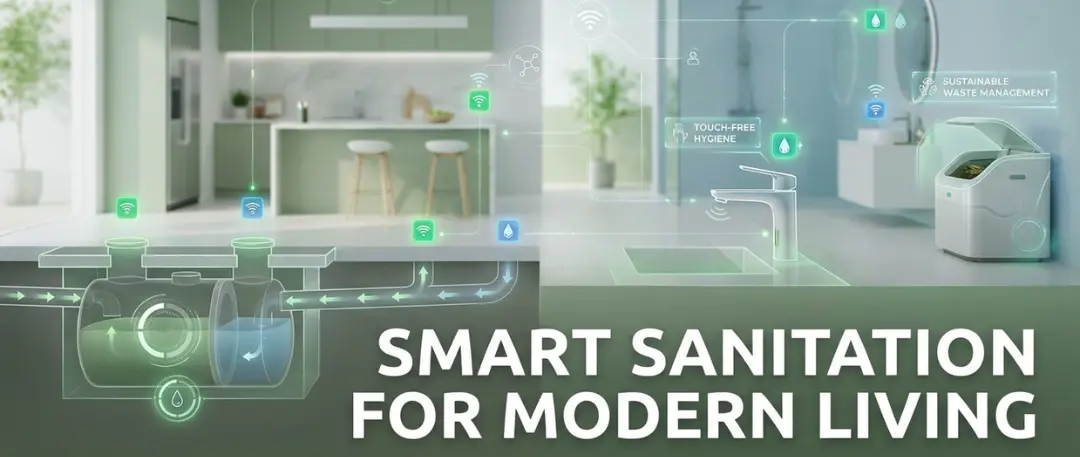
Smart Sanitation for Modern Living
Why Bio Septic is a Long-Term Investment
In today’s world, sanitation is not just about waste disposal—it’s about health, sustainability, and long-term value. As urban and rural communities in India grapple with sewage challenges, bio septic tanks are emerging as a smart and reliable solution. Unlike traditional septic systems that demand frequent cleaning, generate foul odors, and contaminate groundwater, bio septic tanks combine modern science with natural processes to deliver a durable, eco-friendly, and cost-effective sanitation system.
This blog explores why investing in a bio septic tank is not just a one-time decision, but a long-term commitment to health, hygiene, and financial savings.
Durability That Outlasts Traditional Systems
One of the most compelling reasons to choose a bio septic tank is its lifespan. Conventional septic tanks are prone to cracks, sludge buildup, and groundwater contamination over time. They often need replacement or major repairs within 10–15 years.
In contrast, bio septic tanks are engineered for long-term use, typically lasting 30–50 years with minimal intervention. The materials used—whether reinforced concrete, high-grade polymers, or fiber-reinforced plastics—are resistant to corrosion and chemical reactions. Additionally, the natural bacterial culture within the tank continuously digests waste, ensuring the system remains functional for decades without major wear and tear.
For homeowners and builders, this durability translates into peace of mind, knowing the investment will not require frequent overhauls.
Minimal Maintenance and Hassle-Free Living
Traditional septic tanks are notorious for frequent desludging. In many cases, households rely on vacuum trucks or sewage lorries every 6–12 months to remove accumulated sludge. Apart from being expensive, this process is inconvenient, unhygienic, and dependent on external services.
Bio septic tanks solve this problem by incorporating anaerobic bacteria and advanced digestion processes. These bacteria break down solid waste into water and gases, leaving behind no sludge that needs manual removal. The treated water can often be reused for gardening, flushing, or groundwater recharge, making the system self-sustaining.
This maintenance-free nature is one of the strongest selling points for modern households, apartment complexes, and institutions. Once installed, the tank requires almost no external support, freeing homeowners from recurring expenses and unpleasant maintenance routines.
Cost-Effectiveness: A True Return on Investment
At first glance, a bio septic tank might seem like a higher investment compared to a traditional system. However, when analyzed over time, it is far more cost-effective.
Here’s why:
- No desludging costs – Households save thousands of rupees annually by avoiding frequent lorry services.
- Reduced repair expenses – The durable build minimizes structural failures.
- Water savings – Treated wastewater can be recycled for secondary uses, reducing the monthly water bill.
- Increased property value – Homes equipped with eco-friendly sanitation systems are more attractive to buyers.
When these factors are combined, the return on investment (ROI) becomes clear. Within a few years, the savings offset the initial cost, and the system continues to deliver benefits for decades.
Health and Hygiene Benefits for Families and Communities
Poor sanitation is linked to serious health risks, from waterborne diseases to mosquito-borne infections. Traditional septic tanks often leak untreated waste into the soil, contaminating groundwater and creating breeding grounds for mosquitoes and flies.
Bio septic tanks, on the other hand, are odor-free and leak-proof. They ensure that wastewater is properly treated before being released, thereby protecting soil and water sources. The absence of sludge buildup also eliminates the foul smell commonly associated with septic tanks.
For families, this means a cleaner living environment. For communities, it ensures public health is safeguarded, especially in densely populated areas or apartment complexes.
Environmental Impact: A Green Choice
Apart from personal and financial benefits, choosing a bio septic tank is an environmentally responsible decision. By breaking down waste naturally and recycling water, bio septic systems:
- Prevent groundwater contamination
- Conserve water resources
- Reduce reliance on sewage disposal trucks
- Lower carbon footprint associated with waste transport
For builders and institutions aiming for green certifications or compliance with eco-friendly construction norms, bio septic tanks contribute positively to sustainability goals.
The Bigger Picture: A Future-Ready Sanitation Solution
India faces an urgent need to modernize its sanitation infrastructure. With rising populations, rapid urbanization, and growing environmental concerns, traditional systems are proving inadequate. Bio septic technology offers a scalable and future-ready solution that aligns with government policies on sustainable development and water conservation.
Investing in such a system today ensures compliance, cost savings, and peace of mind tomorrow.
Final Thoughts
A bio septic tank is more than just a sanitation system—it’s a long-term investment in health, hygiene, and sustainability. By offering unmatched durability, freedom from maintenance, and significant cost savings, it proves to be the smarter choice for modern living. For homeowners, builders, and communities, adopting this system today ensures a cleaner, safer, and more sustainable tomorrow.
1 How long does a bio septic tank last?
A well-installed bio septic tank can last 30–50 years, significantly longer than traditional systems, which often require replacement in 10–15 years.
2 Does a bio septic tank require desludging?
No. Bio septic tanks use bacteria to break down waste into reusable water and gases, eliminating the need for manual desludging.
3 Is the water from a bio septic tank safe to reuse?
Yes. The treated water is free from harmful pathogens and can be reused for gardening, toilet flushing, and groundwater recharge. It is not recommended for drinking or cooking.
4 Are bio septic tanks expensive compared to traditional systems?
The initial cost may be slightly higher, but long-term savings on maintenance, desludging, and water bills make them more cost-effective.
5 Can bio septic tanks be used in apartments and industries?
Absolutely. Bio septic technology is scalable and can be installed in individual homes, apartment complexes, schools, hospitals, and even industrial facilities.
6 Do bio septic tanks produce bad odor?
No. Since the waste is digested continuously and no sludge accumulates, the system is odor-free.
7 Is a bio septic tank compliant with government regulations?
Yes. Bio septic systems align with environmental norms and are widely accepted by DTCP, RERA, and pollution control authorities in India.