
Environmental Impact of Proper Sewage Treatment: Protecting Groundwater and Community Health
Sewage treatment is more than a technical process. It is directly connected to the health of our environment, drinking water, food systems, and public health. Unfortunately, in many parts of India, untreated sewage still enters soil, lakes, ponds, and groundwater sources, leading to contamination that affects millions of people. As cities grow and rural areas expand, the need for proper wastewater treatment is more urgent than ever. crystal bio gives a proper plan for it
In this blog, we explore how modern sewage treatment solutions like bio-septic tanks and bio-digesters protect groundwater, reduce pollution, improve living standards, and contribute to community health.
Why Proper Sewage Treatment Matters Today
Across India, a large percentage of wastewater generated by homes and commercial spaces flows untreated into soil or water sources. This untreated disposal leads to harmful bacteria, viruses, and chemicals spreading into the natural environment. As a result, waterborne diseases continue to be a major public health challenge.
Proper sewage treatment prevents this chain reaction. When sewage is treated, harmful contaminants are removed or neutralized, making it safe to discharge into soil and groundwater.
What Happens When Sewage Is Not Treated
When raw sewage seeps into the ground or nearby drains, several serious problems occur:
- Bacterial contamination
- Groundwater pollution
- Spread of viruses
- Soil poisoning
- Environmental degradation
- Bad odor and hygiene problems
- Insect and mosquito breeding
This affects not just the immediate home, but the entire neighborhood and community.
Groundwater: The Most Affected Resource
Around 60 percent of drinking water in India depends on groundwater. However, groundwater contamination caused by sewage waste can introduce harmful pathogens and toxic matter into the water table.
Contaminated groundwater can contain:
- E. coli
- Salmonella
- Parasites
- Viruses
- Nitrates
- Ammonia
- Phosphates
Over time, these pollutants make water unsafe for drinking, cooking, and agriculture.
How Sewage Contamination Affects Human Health
People living in areas with untreated sewage disposal face higher rates of:
- Typhoid
- Dysentery
- Diarrhea
- Cholera
- Hepatitis A
- Skin infections
- Parasite infections
According to the WHO, waterborne diseases are among the leading causes of illness in developing nations. Children and elderly people are even more vulnerable.
Environmental Damage Beyond Water
When sewage is not treated properly, the environmental impact goes deeper than just water contamination. Some long-term consequences include:
Soil contamination
Waste particles and chemicals damage soil nutrients, making land less fertile.
Aquatic pollution
Lakes and rivers develop algae growth and lose oxygen, harming fish and aquatic life.
Reduced biodiversity
Pollution destroys natural habitats and affects wildlife populations.
Greenhouse gas emissions
Improper sewage disposal contributes to methane and other harmful gases.
How Modern Sewage Treatment Systems Help
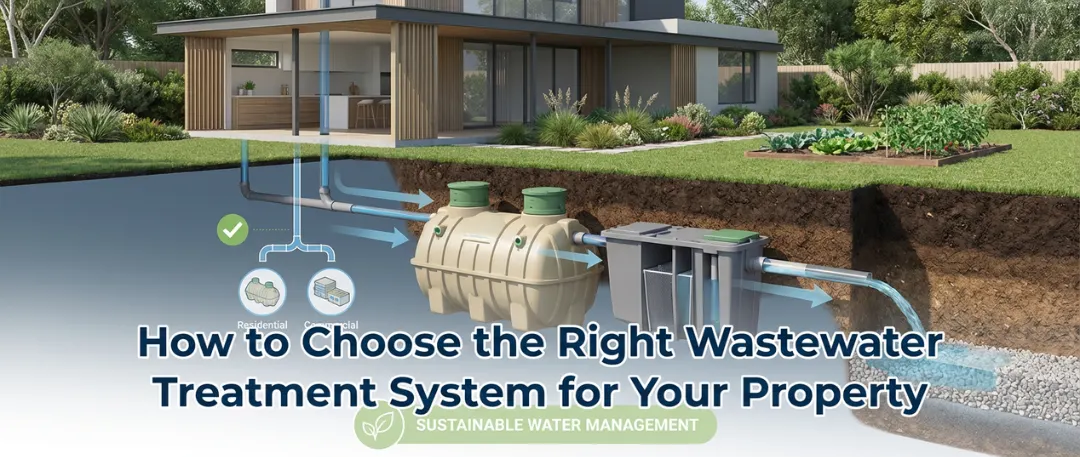
Modern sewage systems like bio-septic tanks and bio-digesters offer a sustainable solution. These technologies break down waste naturally using powerful microorganisms, eliminating harmful pathogens and converting waste into reusable water.
Key benefits include:
- Cleaner groundwater
- No foul smell
- No sludge accumulation
- No chemical usage
- Minimal maintenance
- Eco-friendly operation
- Long-term durability
Role of Bio-Septic Tanks in Groundwater Protection
Traditional septic tanks often release partially treated waste into the soil. Bio-septic tanks, on the other hand, treat waste completely using biological processes. This prevents harmful contaminants from reaching groundwater.
Bio-septic tanks are especially beneficial for:
- Houses
- Apartments
- Schools
- Hospitals
- Restaurants
- Commercial buildings
- Rural areas
- Farmhouses
Improving Community Health Through Safe Sanitation
Communities that adopt proper sewage treatment see major health benefits.
- Lower water contamination
- Reduced disease spread
- Cleaner surroundings
- Better hygiene
- Improved quality of life
More importantly, children grow up in healthier environments, reducing long-term medical risks and improving public health statistics.
Wastewater as a Reusable Resource
Treated water from bio-systems can be reused for:
- Gardening
- Irrigation
- Landscaping
- Toilet flushing
- Cleaning outdoor spaces
This reduces water consumption and supports sustainability.
Contribution to Sustainable Living
Proper sewage treatment is part of a larger sustainable approach. Cities, communities, and even individual homes can reduce environmental damage by adopting treatment systems that require less energy, no chemicals, and minimal maintenance. Over time, this helps conserve resources and protect nature.
Choosing the Right Sewage Treatment System
When selecting sewage treatment solutions, look for:
- Eco-friendly technology
- Sludge-free operation
- Odor-free performance
- Proven biological treatment
- Long lifespan
- Low maintenance requirements
Bio-septic tanks and bio-digesters are considered the most effective modern options for both residential and commercial applications.
Final Thoughts
Proper sewage treatment is not just about disposing wastewater. It is about protecting groundwater, supporting clean living, and preventing disease. Every household and commercial facility has a role to play in maintaining a healthier environment. Modern solutions like bio-septic tanks make this possible without complicated maintenance or high operational costs.
By choosing eco-friendly sewage systems today, we protect nature and create a safer, healthier future for upcoming generations.
1 What is the biggest environmental risk of untreated sewage?
2 How does sewage affect public health?
3 Are bio-septic tanks better than traditional septic tanks?
4 Can treated sewage water be reused?
Yes, treated sewage water can be reused for gardening, irrigation, cleaning spaces, and other non-drinking purposes.
5 Is a bio-septic tank suitable for homes?
Absolutely. Bio-septic systems are ideal for both small homes and large commercial installations.
6 Will a bio-septic tank reduce bad smell?
Yes, because sewage is biologically broken down, there is no foul smell.